PANDEF Alleges Federal Government Is Committing Genocide Against Niger Delta
By Matthias Ogbagah
UGHELLI — The Pan Niger Delta Forum (PANDEF) has accused the Federal Government of Nigeria of policies and actions that amount to genocide against the people of the Niger Delta, citing environmental degradation, economic exclusion, and alleged inequitable resource control.
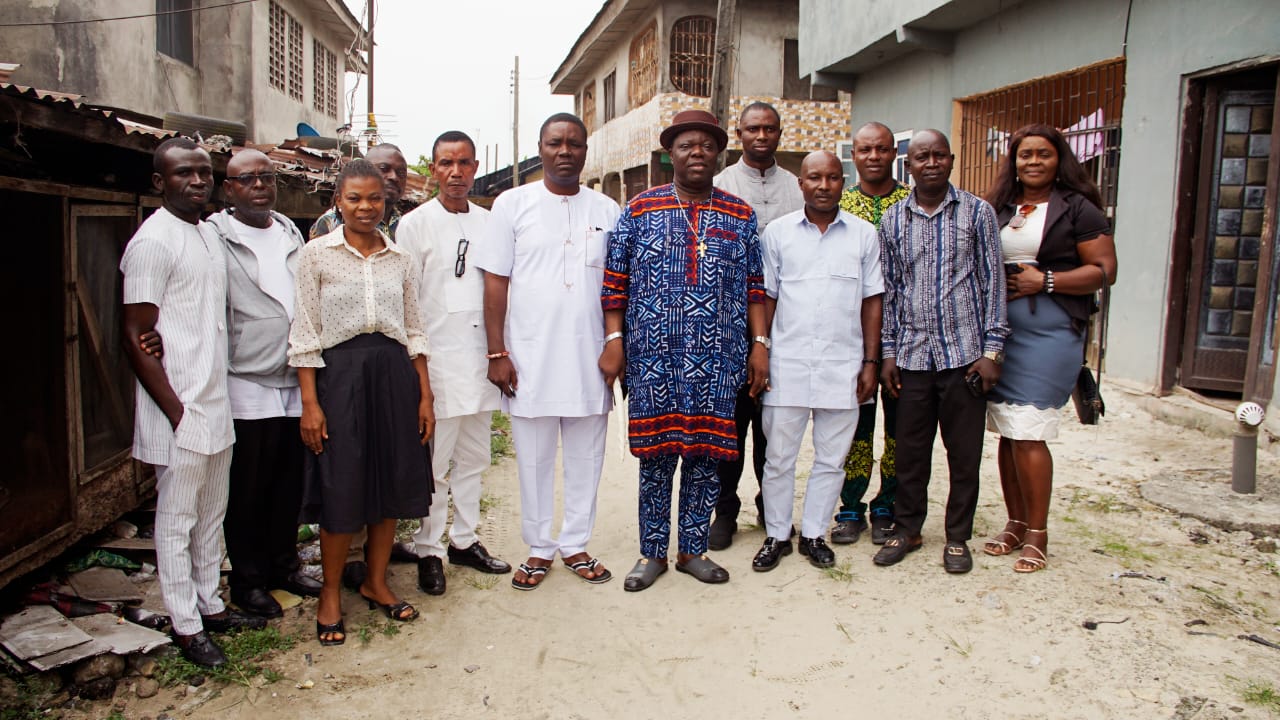
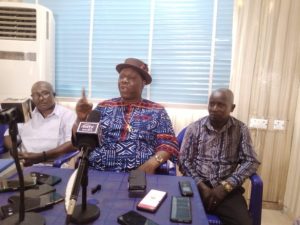
Speaking during a media chat with members of the Nigeria Union of Journalists (NUJ) Correspondents’ Chapel in Ughelli, the National Publicity Secretary of PANDEF, Chief (Dr) Christopher Obiuvwevbi Ominimini said the continued neglect of the oil-producing region has worsened poverty, unemployment, and health challenges among its people.
According to him, decades of oil exploration, gas flaring, and ecological damage have destroyed farmlands and rivers, depriving residents of their traditional means of livelihood such as farming and fishing.
Obiuvwevbi said what the Federal Government is doing today amounts to genocide against the people of the Niger Delta, noting that the ecosystem has been destroyed, gas flaring is killing residents, and yet the region is treated unfairly in the sharing of national resources.
Call for Mini Refineries and LNG Plants
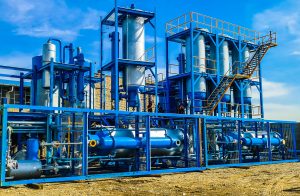
The PANDEF spokesman called on the President Bola Ahmed Tinubu-led government to approve the establishment of at least 30 modular refineries and mini Liquefied Natural Gas (LNG) plants across the Niger Delta, stating that such projects would create massive employment opportunities and reduce poverty in the region.
He also lamented the marginalisation of Niger Delta indigenes in federal ministries, departments, and agencies, saying the region is poorly represented in key leadership positions.
Gas Flaring Revenue and Accountability
Obiuvwevbi questioned how revenues generated from gas flaring penalties paid by International Oil Companies are utilised, alleging that the funds meant to alleviate the suffering of Niger Delta communities have not been properly accounted for.
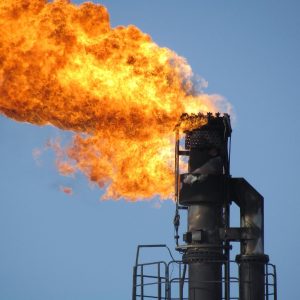
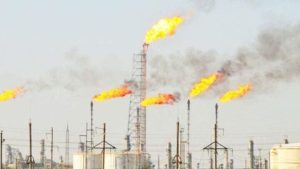
He called on the Federal Government, the Fiscal Responsibility Commission, and relevant anti-corruption agencies to investigate gas flaring revenues and publicly disclose how the funds have been spent.
East-West Road Still Uncompleted
PANDEF expressed concern over the prolonged delay in completing the East-West Road, describing it as the economic lifeline of the Niger Delta.
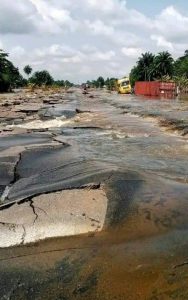
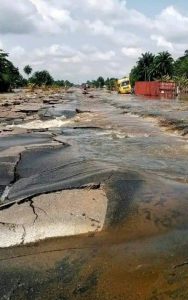
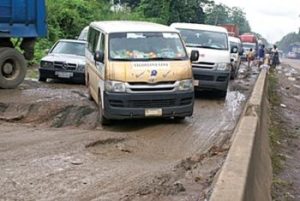
He said that several decades after its commencement, the road remains a work in progress, making travel difficult from Benin to Warri, Warri to Ughelli, Patani to Port Harcourt, and onward to Akwa Ibom and Cross River states.
He urged the Federal Government to complete the road without further delay.
Resource Control and Revenue Sharing
The PANDEF spokesman argued that Nigeria has deviated from the resource control structure agreed upon at independence, where regions controlled their resources and paid taxes to the centre.
He criticised the current system, where oil and gas revenue from the Niger Delta is shared nationwide, while revenue from solid minerals, such as Gold, Lithium, Tin, and Bitumen from other regions, is not centrally pooled.
He said that if the Federal Government insists on sharing oil and gas revenue, then revenue from all other natural resources must also be brought to the table and shared equitably.
He disclosed that PANDEF would convene an emergency meeting of governors, lawmakers, traditional rulers, and leaders of the region to decide on further actions, including issuing an ultimatum to the Federal Government.
Governors and Derivation Funds Under Scrutiny
While accusing the Federal Government of injustice, Obiuvwevbi also criticised some Niger Delta governors over the alleged misuse of derivation funds.
He said the 13 percent derivation fund is often spread across entire states instead of being prioritised for oil-producing communities where environmental impact is most severe.
According to him, development commissions such as DESOPADEC and similar agencies in other states have not adequately reflected the level of oil production in host communities.
He said oil-producing communities should visibly feel the impact of these funds, noting that many still lack roads, electricity, clean water, and basic healthcare facilities.
He, however, commended the Delta State Government and some other governors in the region for ongoing infrastructure projects, while urging them to do more in host communities.
Ogoni Cleanup and Artisanal Mining
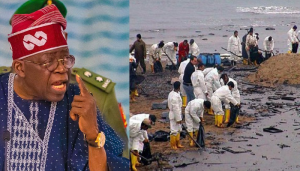
Obiuvwevbi described the Ogoni cleanup project as largely political, claiming there is little evidence of significant environmental restoration on the ground.
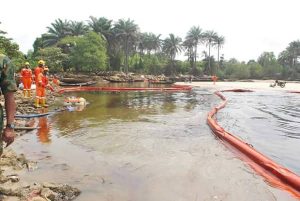
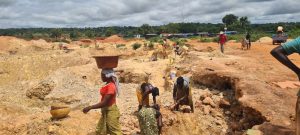
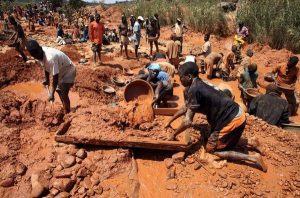
He also condemned what he described as selective enforcement of the law, questioning why artisanal refineries in the Niger Delta are destroyed by security agencies while illegal artisanal Gold mining in other parts of the country is allegedly ignored.
PANDEF acknowledged that previous administrations of the Niger Delta Development Commission underperformed but commended the current NDDC board for improved performance and adherence to the commission’s master plan.
He attributed the creation of the NDDC to the unity of Niger Delta governors and National Assembly members between 1999 and 2003, noting that the National Assembly had to override presidential assent at the time to establish the commission.
Warning of Looming Crisis
Obiuvwevbi warned that continued marginalisation of the Niger Delta could lead to unrest, stressing that injustice often breeds crisis.
He said what today’s leaders tolerate may not be tolerated by the next generation.
He concluded by stating that PANDEF would continue to tour the Niger Delta states to assess living conditions in oil-producing communities and monitor how intervention funds are being utilised.