Gas Flaring: Ominimini Raises Alarm Says Niger Delta Is At Risk
By Matthias Ogbagah
UGHELLI – The National Publicity Secretary of Pan Niger Delta Forum (PANDEF), Chief (Sir) Obiuwevwbi Ominimini, PhD, has raised fresh concerns over the continued gas flaring activities in the Niger Delta, warning that the practice poses grave environmental and public health risks to millions of residents across the oil-producing region.
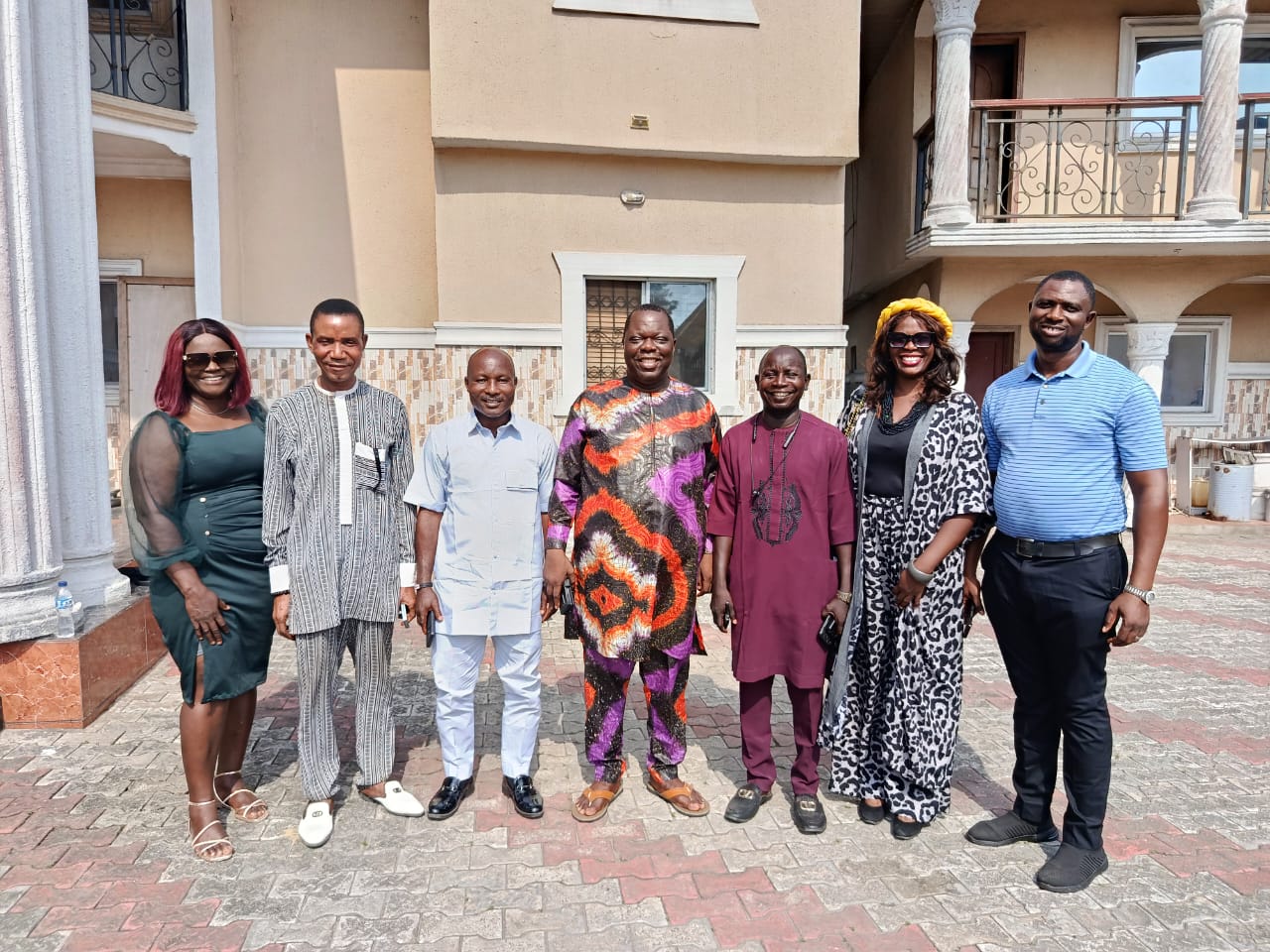
Ominimini raised the alarm on Tuesday while receiving the newly elected executive members of the Nigeria Union of Journalists (NUJ), Ughelli Correspondents’ Chapel, who paid him a courtesy visit at his country home in Ughelli North Local Government Area of Delta State.
He stressed that leaders of the Niger Delta must urgently prioritize the collective interest, health, and well-being of the region above all other considerations, noting that decades of environmental neglect have left communities vulnerable to avoidable diseases and economic hardship.
According to him, people of the Niger Delta are increasingly exposed to serious health challenges linked to environmental pollution, particularly gas flaring and carbon soot emissions. He observed that many lives have been lost, while others are battling chronic illnesses in hospitals across the country. Those who can afford it, he added, are often forced to seek medical treatment abroad.
Earlier, Chairman of the NUJ Ughelli Correspondents Chapel, Comrade Mathias Ogbagah, said that the courtesy visit was aimed at introducing the newly elected executives to Chief Ominimini as a key media stakeholder, and to strengthen collaboration that would move the union to greater heights.
Ominimini raised the alarm on Tuesday while receiving the newly elected executive members of the Nigeria Union of Journalists (NUJ), Ughelli Correspondents’ Chapel, who paid him a courtesy visit at his country home in Ughelli North Local Government Area of Delta State.
He stressed that leaders of the Niger Delta must urgently prioritize the collective interest, health, and well-being of the region above all other considerations, noting that decades of environmental neglect have left communities vulnerable to avoidable diseases and economic hardship.
According to him, people of the Niger Delta are increasingly exposed to serious health challenges linked to environmental pollution, particularly gas flaring and carbon soot emissions. He observed that many lives have been lost, while others are battling chronic illnesses in hospitals across the country. Those who can afford it, he added, are often forced to seek medical treatment abroad.
“The Niger Delta people are at risk. Gas flaring and carbon soot are silently killing our people. Many are struggling with health complications that could have been avoided if these environmental issues were properly addressed,” Ominimini said.
Gas flaring, a long-standing practice associated with crude oil exploration, releases harmful pollutants such as carbon monoxide, nitrogen oxides, sulphur dioxide, and particulate matter into the atmosphere. Environmental experts have consistently linked these emissions to respiratory illnesses, cancer, acid rain, degraded farmlands, and contaminated water sources—conditions prevalent in many Niger Delta communities.
Ominimini expressed concern that despite existing laws and regulations aimed at ending gas flaring in Nigeria, enforcement remains weak. He alleged that penalties imposed on oil companies have become a source of revenue rather than a deterrent, making it difficult to eliminate the practice.
“Gas flaring penalties have turned into a business for the government. Instead of stopping gas flaring, fines are being collected while our people continue to suffer the consequences,” he stated.
The PANDEF spokesman also highlighted the critical role of the media in promoting accountability, good governance, and policies that prioritise environmental protection and human development. He commended journalists for their responsibility in amplifying the voices of marginalised communities and drawing attention to pressing national issues.
“The media remains a powerful tool in shaping public opinion and holding leaders accountable. Journalists must continue to speak truth to power and project policies that will uplift the Niger Delta and the nation at large,” he added.
He noted that the visit by the NUJ Ughelli Correspondents’ Chapel leadership underscores the importance of collaboration between civil society leaders and the media in addressing environmental injustice and advocating sustainable development in the Niger Delta.
Stakeholders have repeatedly called on the Federal Government, regulatory agencies, and oil companies operating in the region to end gas flaring, invest in gas-utilisation technologies, and prioritise environmental remediation to safeguard the lives and future of Niger Delta communities.
Earlier, Chairman of the NUJ Ughelli Correspondents Chapel, Comrade Mathias Ogbagah, said that the courtesy visit was aimed at introducing the newly elected executives to Chief Ominimini as a key media stakeholder, and to strengthen collaboration that would move the union to greater heights.